In a world where technology is practically glued to our fingertips, wearables have emerged as the stylish sidekick we never knew we needed. These nifty gadgets aren’t just for tech enthusiasts; they’re for anyone who wants to level up their daily routine. From smartwatches that track your steps to fitness bands that monitor your heart rate, wearables are like having a personal assistant right on your wrist—minus the coffee runs.
Wearables Meaning
Wearables refer to electronic devices designed to be worn directly on the body. These gadgets include smartwatches, fitness bands, smart glasses, and health monitors. Many users appreciate how wearables enhance convenience and monitor health metrics in real-time.
Smartwatches facilitate access to notifications, calls, and apps. Fitness bands allow tracking of physical activities, steps, and calorie burn. Health monitors specialize in measuring parameters like heart rate and sleep patterns.
Wearables combine technology and everyday life, making data collection seamless. Wearable tech serves a dual purpose—keeping users connected while promoting health awareness.
Industries like fitness, healthcare, and fashion embrace the growing trend of wearables. Companies continue to innovate by integrating features that cater to specific user needs. The market for wearables expands, with global shipments anticipated to exceed 400 million units by 2025.
Users enjoy personalized experiences as wearables collect and analyze data over time. Many individuals find motivation through features that highlight achievements and set new goals. Wearables also foster a sense of community as users compare fitness stats and achievements.
Wearables play a pivotal role in bridging the gap between technology and daily tasks. Technology enthusiasts, athletes, and casual users alike recognize the advantages these devices provide. As wearables evolve, they increasingly become essential tools for managing health and enhancing lifestyles.
Types of Wearables
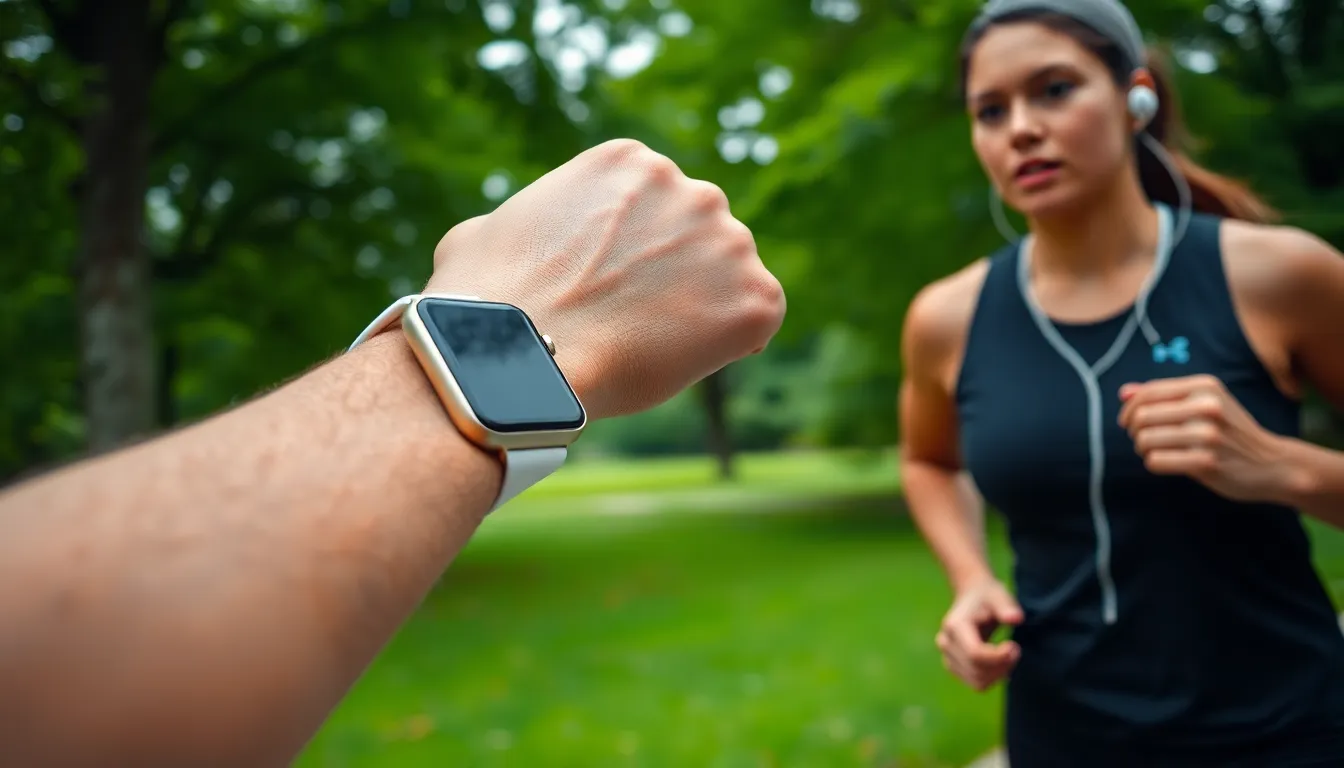
Wearable technology encompasses various devices designed for different needs and functions. These devices enhance lives through convenience and health monitoring.
Smartwatches
Smartwatches serve as multifunctional devices worn on the wrist. They provide quick access to notifications, manage calls, and host a myriad of applications. Advanced models include GPS, music control, and fitness tracking features. These capabilities transform traditional watch usage, appealing to tech enthusiasts and everyday users alike. Some popular brands, like Apple and Samsung, lead the market, offering sleek designs and intuitive interfaces. Users enjoy the blend of style and functionality, which makes smartwatches indispensable in daily routines.
Fitness Trackers
Fitness trackers focus specifically on helping individuals monitor physical activities. These devices track steps, heart rate, calories burned, and even sleep patterns. Popular brands, such as Fitbit and Garmin, emphasize health data accuracy and user-friendly interfaces. Many models come with motivational features, including goal setting and achievement reminders. Users frequently share fitness achievements within communities, fostering social engagement and healthy competition. With ongoing advancements in technology, fitness trackers continue to grow in popularity among those seeking to improve their health and fitness levels.
Medical Devices
Medical wearables cater to specific health needs and monitoring requirements. This category includes devices like continuous glucose monitors and heart rate monitors. Aimed primarily at patients, these gadgets allow real-time tracking of vital health metrics. Data collected helps healthcare professionals make informed decisions about treatment plans. Users often find increased peace of mind and better health management through these devices. Companies specializing in medical wearables prioritize accuracy and reliability, ensuring users gain valuable insights into their health.
The Importance of Wearables
Wearables significantly enhance users’ lives through health tracking and daily convenience. These devices serve as vital tools to improve well-being and productivity.
Health Monitoring
Health monitoring stands as a core function of wearables. Many individuals utilize smartwatches and fitness bands to track heart rates, exercise levels, and sleep patterns. These metrics enable users to monitor their fitness journeys and make informed health choices. For instance, continuous glucose monitors assist people with diabetes by providing real-time blood sugar readings. This functionality supports meaningful discussions with healthcare professionals. As technology advances, the accuracy and range of health metrics keep expanding. Users benefit from the immediate feedback these devices offer, elevating overall health awareness.
Daily Convenience
Daily convenience remains a key advantage of wearables. Smartwatches provide quick access to notifications, messages, and calls, allowing users to stay connected without needing to reach for their phones. Many apps designed for wearables help manage schedules and reminders, streamlining daily tasks. Fitness bands also encourage users to stay active by sending activity prompts throughout the day. With wearable technology, multitasking becomes easier, and personal organization improves. These devices ultimately simplify life, enabling users to maintain productivity and focus on what matters most.
The Future of Wearables
Wearable technology continues to evolve rapidly, shaping how individuals interact with their health and daily tasks. Enhanced designs and functionalities are now commonplace, fostering increased user engagement.
Trends and Innovations
Wearables are integrating advanced technologies like artificial intelligence and augmented reality. Companies focus on seamless user experiences, allowing devices to track fitness metrics more accurately. Collaboration with health organizations leads to the development of wearables that monitor chronic conditions. Voice assistants built into devices enhance control, enabling users to manage tasks hands-free. Sustainability also gains attention, with brands incorporating eco-friendly materials into their designs. As research progresses, innovations such as skin-mounted sensors are emerging, promising to monitor health metrics in real-time without bulky devices. Overall, the industry shifts toward personalization, tailoring wearables to fit unique user lifestyles.
Challenges Ahead
Market saturation presents a significant obstacle for wearable manufacturers. Competition among brands intensifies, making differentiation crucial for success. Privacy concerns surrounding health data usage are increasingly prominent, prompting manufacturers to implement robust security measures. Additionally, battery life remains a critical issue, as users expect longer-lasting devices without sacrificing performance. Balancing style and functionality proves challenging as consumers desire aesthetically pleasing yet effective wearables. Furthermore, establishing consistent interoperability between devices enhances user experience but complicates product development. Despite these challenges, the potential for growth and innovation in the wearables market remains strong.
Wearable technology is transforming the way individuals interact with their health and daily routines. As these devices evolve they’re becoming more than just gadgets; they’re essential tools that enhance convenience and promote well-being. With advancements like artificial intelligence and personalized features on the horizon the wearables market is poised for significant growth.
Despite challenges such as privacy concerns and competition among brands the future of wearables looks promising. As industries continue to innovate and adapt these devices will likely become even more integrated into everyday life. Users can expect smarter designs that not only monitor health but also simplify tasks and enhance productivity. The journey of wearables is just beginning and its impact on personal health and lifestyle will only deepen over time.