In a world where technology evolves faster than you can say “photoacompamhamte,” it can be easy to feel lost among all the jargon. But fear not. This term might seem daunting, yet it serves an essential purpose in various fields. From improving imaging technology to enhancing communication, photoacompamhamte stands out as a technological wonder that bridges gaps and fosters innovation. Buckle up as we jump into the depths of this fascinating topic.
What Is Photoacompamhamte?

Photoacompamhamte refers to a specific process involving the manipulation of light and images, often utilized in both digital and analog formats. At its core, it transforms how images are captured, processed, and displayed. This process involves intricate mechanisms that combine optics, electronics, and software to produce high-quality visuals that are vital in industries ranging from medicine to entertainment. In simpler terms, it’s a powerhouse of technology that brings our favorite photos and videos to life, ensuring clarity and vibrancy in every frame.
Historical Background and Development
The evolution of photoacompamhamte can be traced back to the early experiments in photography during the 19th century. Pioneers like Louis Daguerre and George Eastman laid the groundwork for advancements in image capture and processing. As technology progressed, the integration of digital technologies began to reshape the field. By the late 20th century, innovations in sensors and image processing algorithms significantly enhanced photoacompamhamte, allowing users to capture moments in stunning detail. Nowadays, this term embodies decades of evolution, bringing us to tools and methods unimaginable a century ago.
Applications of Photoacompamhamte
Photoacompamhamte finds its place in numerous fields, influencing various aspects of daily life.
How Photoacompamhamte Works
Understanding how photoacompamhamte works requires a look at light manipulation and image processing. Essentially, it involves the use of sensors that capture light and convert it into electronic signals. These signals are then processed using advanced algorithms to enhance the final image. This process includes adjusting brightness, contrast, and color saturation, ensuring the end product meets the desired quality.
Technical Components and Mechanisms
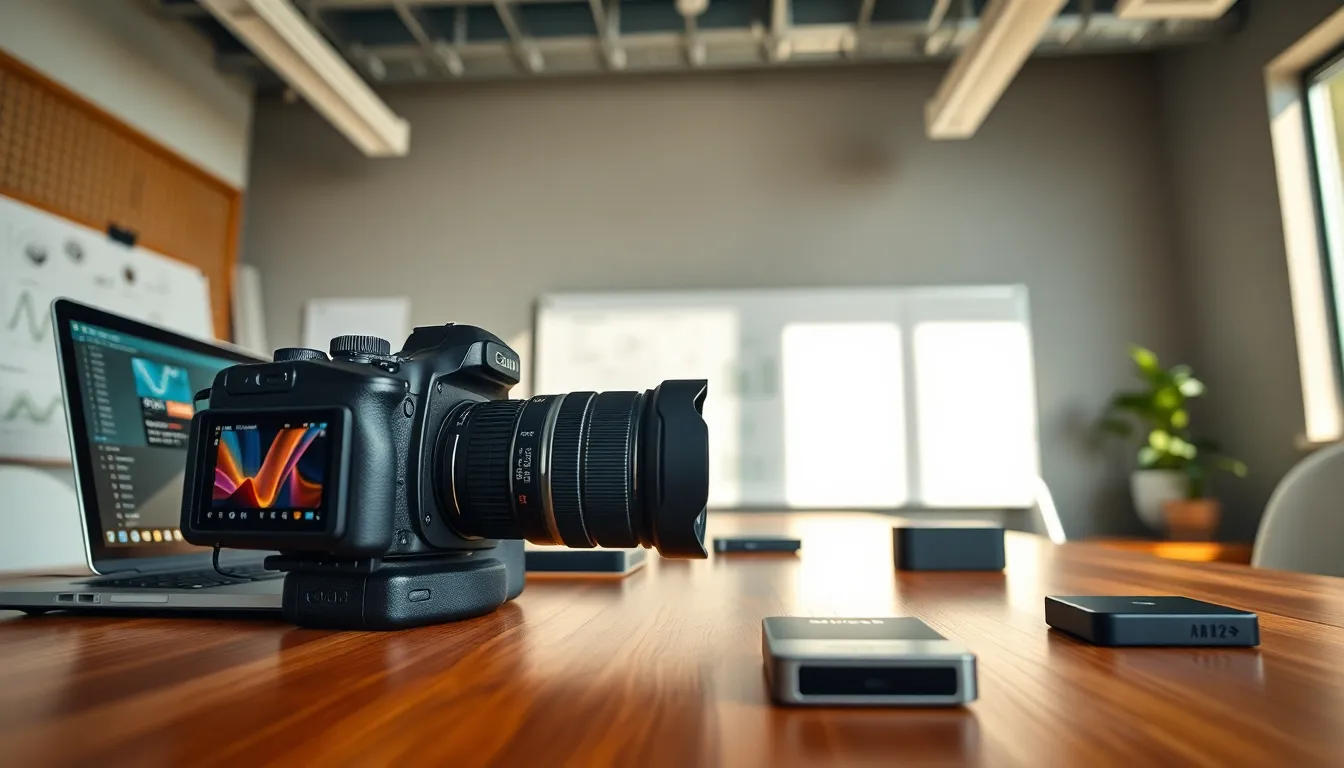
Delving deeper, the technical components that play a role in photoacompamhamte include image sensors, lenses, and processing units. Each component works synergistically to ensure high-quality output. Sensors, for instance, are responsible for detecting light, while lenses focus that light onto the sensor. After that, the processing unit enhances the image, turning raw data into the stunning visuals we admire today.
Benefits of Using Photoacompamhamte
The benefits of employing photoacompamhamte are vast and varied. It enhances image quality, making pictures sharper and more vibrant. Also, it has led to significant advancements in fields such as healthcare, where high-resolution imaging can assist in accurate diagnoses. Plus, recreational activities like photography have been revolutionized, enabling both professionals and amateurs to capture stunning visuals with ease. Eventually, the role of photoacompamhamte in achieving high-quality images cannot be overstated.
Challenges and Limitations
Even though its numerous advantages, photoacompamhamte is not without its challenges. The complexity of the technology can lead to issues such as high costs associated with advanced equipment and maintenance. The learning curve for mastering these tools might also deter aspiring photographers and technologists. Also, over-reliance on image processing can result in a loss of authenticity in visual storytelling, raising questions about the integrity of captured moments. Clearly, while photoacompamhamte offers fantastic benefits, users must also navigate its pitfalls with caution.
Future Trends and Innovations
Looking ahead, the future of photoacompamhamte is filled with exciting possibilities. As technology continues to advance, we can expect new innovations in image processing and manipulation. For instance, artificial intelligence could play a significant role in automating aspects of the photoacompamhamte process, enhancing creativity while maintaining quality. Likewise, emerging technologies like augmented reality and virtual reality are likely to influence how we interact with images and videos, redefining the concept of visual storytelling. Overall, the future shines bright for photoacompamhamte, promising more astonishing developments.