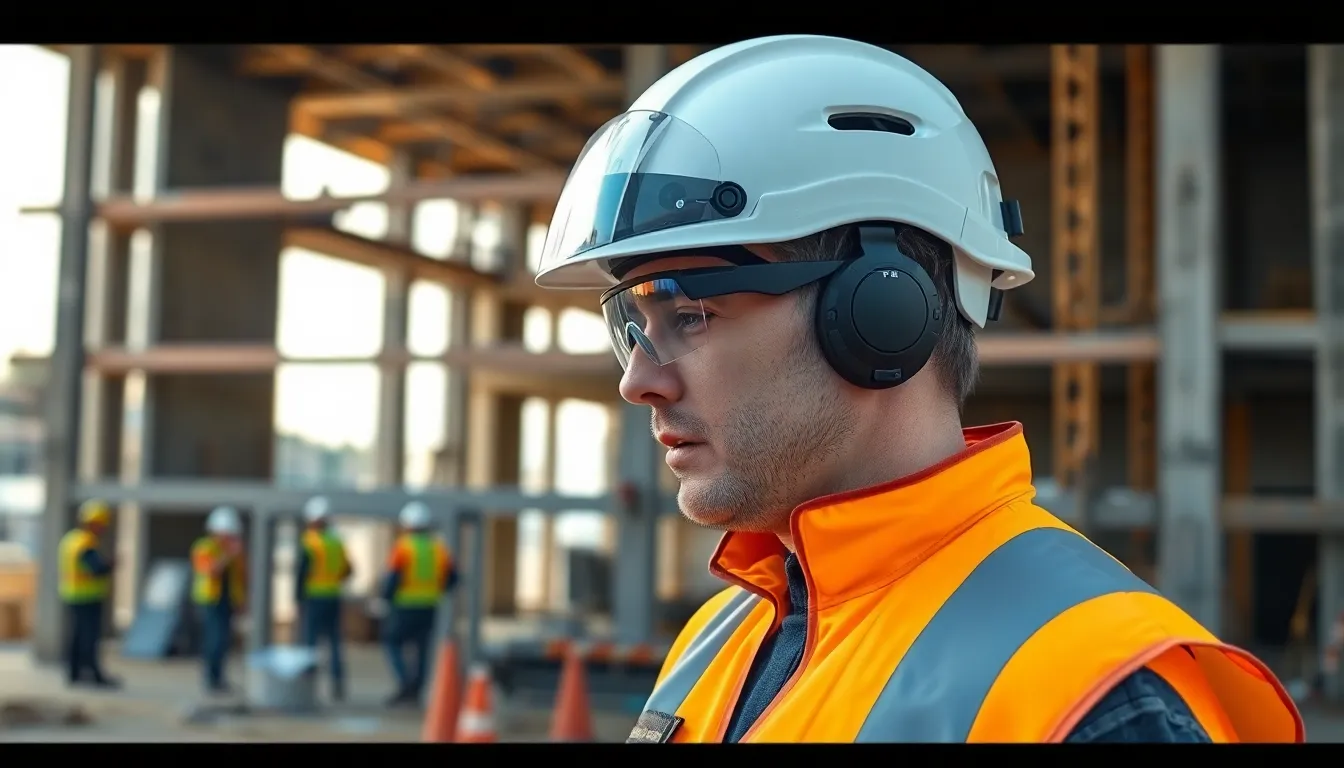
In the construction world, safety is no joke, but that doesn’t mean it can’t come with a dash of humor. Enter construction wearables—those high-tech gadgets that promise to keep workers safe while making them feel like superheroes on the job site. Imagine strapping on a smart helmet that not only protects your noggin but also tracks your vitals. It’s like having a personal assistant who’s always got your back, even if they can’t carry your lunch.
Overview of Construction Wearables
Construction wearables encompass a range of innovative devices designed to enhance safety and productivity on job sites. Smart helmets feature integrated communication systems and augmented reality displays, allowing workers to receive real-time updates without hindering their vision. Wearable sensors track vital signs, alerting supervisors to any potential health issues before they escalate.
Smart vests incorporate visual alerts and GPS technology, enabling quick location tracking of workers in hazardous areas. Safety goggles equipped with heads-up displays provide critical information directly in the user’s line of sight, improving decision-making efficiency.
Wearable technology also supports training and skill development. Training programs now integrate virtual reality via wearables, offering immersive experiences that simulate real-life scenarios in a controlled environment.
Studies show that implementing construction wearables can reduce accidents by up to 30%, underscoring their significance in the industry. In addition to safety enhancements, data collected from wearables aids in improving workflow by identifying inefficiencies and optimizing processes.
Real-time monitoring of equipment performance reduces downtime, increasing overall productivity on job sites. The evolution of construction wearables continually adapts to meet industry demands, ensuring workers remain safe and effectively supported.
Types of Construction Wearables
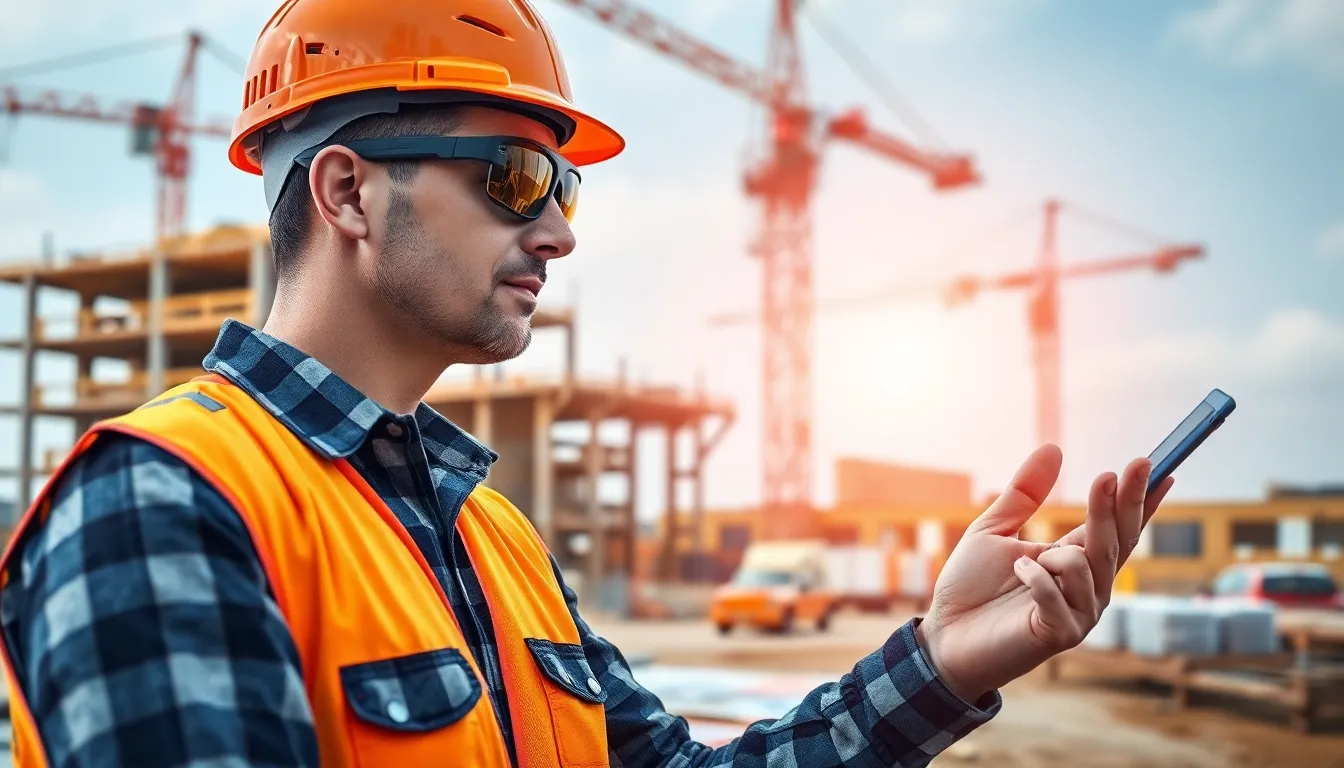
Construction wearables comprise various devices designed to enhance worker safety and productivity. These technologies play a vital role in modern construction environments.
Smart Helmets
Smart helmets feature integrated communication systems and augmented reality displays. Users benefit from hands-free communication, enabling teamwork to thrive. Enhanced visibility and environmental awareness contribute to accident reduction. These helmets also monitor vital signs, alerting workers and supervisors of health anomalies. With features like real-time data access, employees make informed decisions that improve on-site efficiency.
Wearable Safety Sensors
Wearable safety sensors track movement and environmental conditions. These devices detect harmful gas levels, temperature fluctuations, and worker fatigue. Alerts trigger when hazardous conditions arise, fostering a safer workplace. Sensors can attach to clothing, providing unobtrusive monitoring while allowing freedom of movement. Data collected enhances safety protocols, enabling companies to address risks proactively.
Augmented Reality Glasses
Augmented reality glasses deliver essential information directly to the user’s line of sight. These devices provide real-time visual guidance, assisting in complex tasks. Training becomes more effective when employees visualize procedures through these glasses. Remote experts can offer support, improving troubleshooting and efficiency. Recent studies highlight that incorporating AR technology reduces errors significantly, streamlining workflow and elevating productivity.
Benefits of Using Construction Wearables
Construction wearables offer numerous advantages that significantly impact safety and productivity in the industry. These technologies boost overall workplace efficiency and worker well-being.
Improved Worker Safety
Enhanced safety is a primary benefit of construction wearables. Smart helmets equipped with health monitoring features alert workers and supervisors to life-threatening conditions. Wearable sensors track environmental hazards like harmful gas levels and worker fatigue, enabling early intervention. Real-time data access helps teams make informed decisions about risk management. Additionally, augmented reality glasses provide safety guidance during complex tasks, reducing errors and accidents. With potential accident reductions of up to 30%, these devices play a crucial role in protecting workers on the job site.
Enhanced Productivity
Wearable technologies significantly increase productivity among construction teams. Smart vests with GPS capabilities allow efficient workflow monitoring and team coordination. Instant communication features in smart helmets streamline information sharing, minimizing delays and enhancing task execution. The data collected from wearables contributes to identifying workflow inefficiencies, leading to improved project timelines. Virtual reality training enhances skill development, preparing workers for real-world scenarios. Overall, construction wearables empower workers by facilitating seamless collaboration and boosting task performance.
Challenges in Implementing Construction Wearables
Implementing construction wearables presents several challenges that companies must navigate.
Cost Considerations
Initial investment in construction wearables tends to be significant. Companies often face expenses related to purchasing devices, software integration, and ongoing maintenance. Budget constraints may hinder adoption, especially for smaller firms. However, many organizations discover that the long-term benefits, such as reduced accident-related costs and improved productivity, justify the upfront costs. Evaluating return on investment is crucial. Conducting thorough analyses can help decision-makers recognize potential savings from fewer workplace incidents and enhanced efficiency.
Workforce Acceptance
Acceptance by the workforce poses another challenge. Employees may resist adopting new technologies due to fear of change or privacy concerns. Training plays a vital role in overcoming these hurdles. Providing comprehensive training sessions facilitates familiarity with devices and demonstrates their importance in enhancing safety. Gathering feedback from workers can also boost morale and encourage engagement with wearables. Tailoring solutions to meet the specific needs of the workforce fosters a more positive environment for technology integration.
Future Trends in Construction Wearables
Advancements in construction wearables continue to shape the industry landscape. Smart helmets equipped with augmented reality features will likely dominate the market, offering efficient visual information to workers on-site. These helmets will enhance situational awareness and safety, reducing accidents significantly.
In addition, wearable sensors are expected to evolve, increasing their functionality in health monitoring and environmental safety. Enhanced sensors may also track not only vital signs but also emotional and mental well-being, promoting comprehensive worker health. Such innovations may lead to a more holistic approach to safety.
Connectivity will play a crucial role in the future of construction wearables. Devices equipped with IoT capabilities will facilitate seamless communication between workers, supervisors, and equipment. Real-time data sharing will improve decision-making processes, allowing teams to adapt quickly to changing conditions on-site.
Training and education will see significant improvements through immersive experiences. Virtual reality training modules will likely become more common, providing workers with hands-on experience without actual risks. This approach could enhance skill retention and boost overall confidence.
Employee engagement will also be prioritized with customizable wearables. Personal preferences may lead to smarter designs, making devices more comfortable and appealing for workers. Governance will focus on data privacy as companies address compliance and respect towards worker concerns.
As the market for construction wearables grows, integration with existing systems will streamline operations. Wearables that align with project management tools will simplify workflows and improve productivity. The ongoing evolution indicates a focused effort on combining safety and efficiency, nurturing a safer and more productive construction environment.
The integration of construction wearables is transforming the industry by prioritizing safety and enhancing productivity. These innovative devices not only empower workers but also foster a proactive approach to risk management. As technology continues to evolve, the potential for wearables to improve health monitoring and situational awareness grows.
While challenges like initial costs and workforce acceptance exist, the long-term benefits far outweigh these hurdles. Companies that embrace these advancements are likely to see significant returns through reduced accidents and optimized workflows. The future of construction is bright with wearables leading the charge toward a safer and more efficient work environment.