Yearbooks have long been a cherished tradition, capturing memories and milestones in glossy pages. But what if they could be even more magical? Enter the world of AI-generated yearbooks, where technology meets nostalgia in a delightful dance. Imagine a yearbook that not only reflects the personalities of students but also adds a sprinkle of creativity that even your high school art teacher would envy.
With AI’s help, schools can create personalized, eye-catching yearbooks that tell each student’s unique story. Gone are the days of bland group photos and generic quotes. Instead, students can enjoy a yearbook that feels like a vibrant tapestry woven from their experiences, dreams, and even a few inside jokes. It’s time to embrace the future of yearbooks—because who wouldn’t want a keepsake that’s as unforgettable as their best friend’s questionable fashion choices?
Overview of AI Generated Yearbooks
AI-generated yearbooks represent a significant shift in how memories and accomplishments are documented. Utilizing advanced algorithms, schools can now create unique yearbooks that encapsulate each student’s journey. Personalized content, such as tailored images and custom captions, enhances the storytelling aspect of these yearbooks.
Students benefit from features that highlight their individual experiences. For example, AI can synthesize quotes from peers and staff, curating a meaningful narrative that reflects the school community. Schools find that these yearbooks foster a greater sense of belonging among students.
Moreover, AI tools simplify production processes and reduce costs. Automation streamlines layout designs and photo selection, saving time for staff and allowing them to focus on content quality. As a result, the final product preserves the essence of each student’s high school experience.
Engagement with technology isn’t limited to design. Interactive elements, such as videos or augmented reality components, allow students to revisit memories beyond static images. These innovations elevate yearbooks from traditional keepsakes to dynamic mementos.
AI-generated yearbooks also adapt to trends and changing aesthetics, ensuring they remain relevant. By incorporating feedback from previous editions, AI continuously improves its capabilities, meeting the needs of the next generation. Educational institutions increasingly recognize that embracing this technology offers students a richer, more engaging way to commemorate their school years.
Benefits of AI Generated Yearbooks
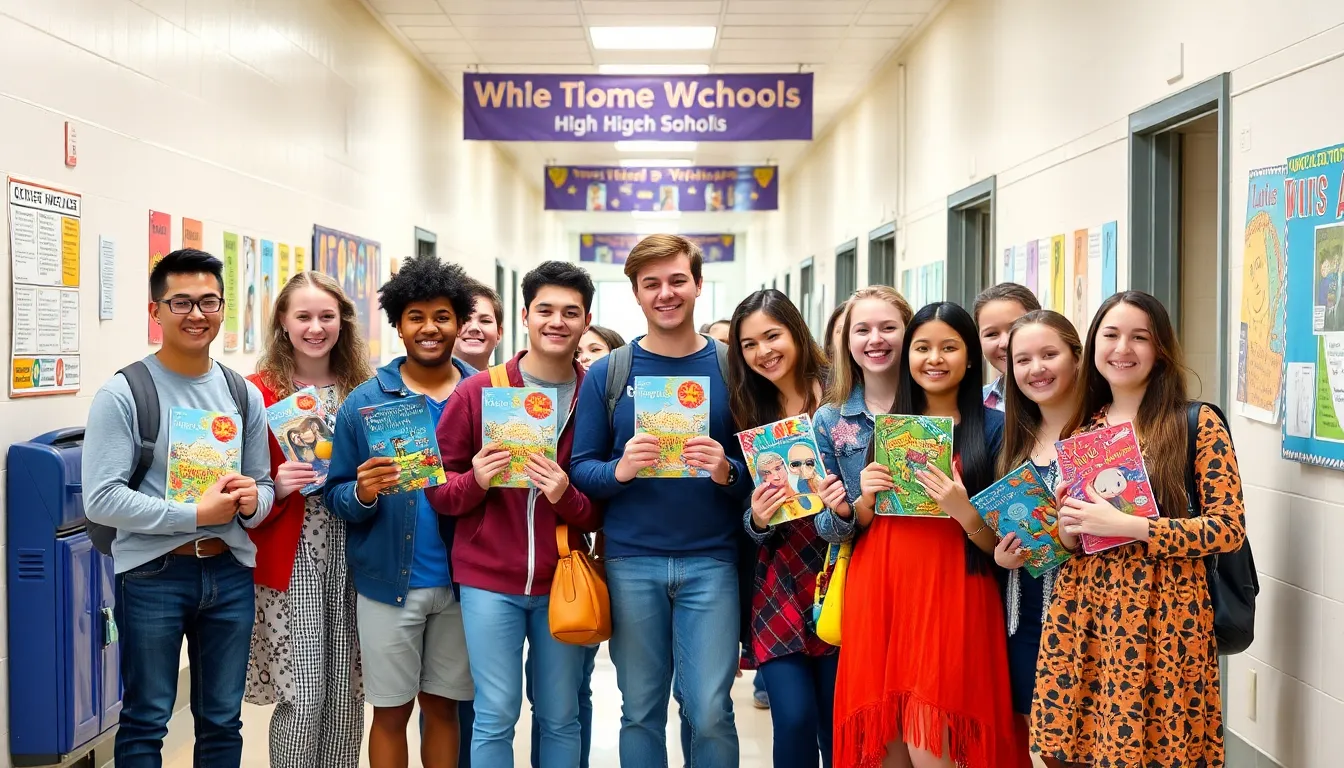
AI-generated yearbooks offer unique advantages that enhance the yearbook experience for both students and schools. Personalization and efficiency are key factors in this innovation.
Customization Options
Customization plays a central role in AI-generated yearbooks. Schools can incorporate various themes and layouts to match their branding. Students get the opportunity to select photos, quotes, and stories that represent their journey. Using AI algorithms, schools can generate personalized pages, giving each student a special space. Diversity in customization reflects the individual character of the student body, leading to a more meaningful keepsake.
Time Efficiency
Time efficiency is another significant benefit of AI-generated yearbooks. Traditional yearbook production often involves lengthy processes that drain resources. AI streamlines these steps, enabling staff to quickly generate content and layouts. Automated design tools reduce manual work, allowing yearbook committees to focus more on creativity and storytelling. With quicker turnaround times, it’s possible to deliver yearbooks promptly, ensuring they capture memories before the school year concludes.
Challenges in AI Generated Yearbooks
AI-generated yearbooks face several challenges that can impact their effectiveness and acceptance within educational institutions.
Quality Control
Ensuring quality control stands as a primary concern for AI-generated yearbooks. Automated systems might produce content that lacks consistency in formatting or accuracy in the information presented. Review processes must remain integral to catch errors, misaligned images, or inappropriate quotes. Schools must establish robust editing protocols to validate AI-generated content before publication. The reliance on algorithms doesn’t negate the need for human oversight, especially when preserving the personal stories of students. Keeping a balance between AI efficiency and quality assurance becomes essential for a polished finished product.
Data Privacy Concerns
Data privacy concerns significantly influence the implementation of AI-generated yearbooks. Schools manage sensitive information, including student identities, photos, and personal anecdotes. Compliance with regulations like FERPA (Family Educational Rights and Privacy Act) is crucial for protecting student data. AI systems processing this information may inadvertently expose schools to privacy breaches or unauthorized access. Ensuring secure data handling and storage practices is vital. Engaging with parents and students about data use fosters transparency and builds trust in AI technologies, allowing educational institutions to enhance yearbook experiences while prioritizing privacy.
Popular Platforms for AI Generated Yearbooks
Multiple platforms facilitate the creation of AI-generated yearbooks, each offering unique features and benefits. Herff Jones provides customizable layouts and themes, enabling schools to showcase their branding effectively. Jostens incorporates advanced AI tools, allowing for personalized content creation that resonates with student experiences.
Another notable option, TreeRing, emphasizes environmental sustainability by printing books on recycled paper while using AI to tailor content for individuals. Picaboo Yearbooks streamlines the design process, using artificial intelligence to assist users in selecting images and crafting meaningful captions.
Portfolios from Shutterfly also stand out, offering integration with social media and AI-driven suggestions for images and quotes. Meanwhile, YearbookMaker boasts a user-friendly interface, making it accessible for students and staff alike to create custom yearbooks efficiently.
Most of these platforms allow collaboration among members of yearbook committees, fostering teamwork and creativity. Each integrates features that improve efficiency, enabling quicker production timelines. Furthermore, many of these solutions provide options for digital editions, making yearbooks accessible in various formats.
Several platforms exist to support schools in producing AI-generated yearbooks. Each one prioritizes user experience and customization, ensuring that students can reflect on their memories through unique and engaging narratives.
AI-generated yearbooks are revolutionizing how students commemorate their school experiences. By leveraging technology, schools can craft personalized narratives that resonate deeply with each student’s journey. This innovative approach not only enhances creativity but also fosters a sense of belonging among students.
As educational institutions embrace these advancements, they can look forward to yearbooks that are more than just collections of photos and quotes. With interactive elements and tailored content, these yearbooks become dynamic keepsakes that capture the essence of school life.
While challenges like quality control and data privacy remain, the potential benefits far outweigh the drawbacks. By prioritizing human oversight and secure data practices, schools can confidently adopt AI-generated yearbooks, ensuring a memorable and meaningful documentation of their students’ stories.