Imagine flipping through a yearbook filled with memories, laughter, and maybe a few cringe-worthy poses. Now, picture that same yearbook created by an AI that knows your school’s quirks better than your best friend. Welcome to the world of AI-generated yearbooks—where nostalgia meets cutting-edge technology.
What Is An AI Generated Yearbook?
An AI-generated yearbook combines artificial intelligence technology with the art of memory preservation. This innovative approach allows schools to create personalized yearbooks effortlessly, capturing essential moments from the academic year. Algorithms analyze photos, anecdotes, and significant events, generating attractive layouts and content.
Teachers, students, and administrators benefit from AI’s ability to streamline the yearbook creation process. Traditional yearbook tasks, such as editing photos and organizing text, can take weeks or months. AI accelerates this timeline, offering users the chance to produce a polished product in a fraction of the time.
Customizable templates represent another significant advantage of AI-generated yearbooks. Schools can select designs that match their spirit and culture, enhancing engagement with the final product. Additionally, AI tools often provide suggestions for captions or quotes, ensuring that every page resonates with student experiences.
Reading through an AI-generated yearbook feels like reliving cherished memories. Students see their growth through images captured at various events, capturing the essence of their shared journeys. With the ability to include features like interactive elements and multimedia links, digital formats elevate the experience beyond traditional printing methods.
Educational institutions increasingly adopt AI-generated yearbooks, recognizing the blend of creativity and efficiency. Emphasizing personalization, these yearbooks foster a stronger connection among classmates and preserve memories in a modern way. By incorporating AI into the yearbook process, schools unlock new possibilities for documenting student experiences.
Benefits Of AI Generated Yearbooks
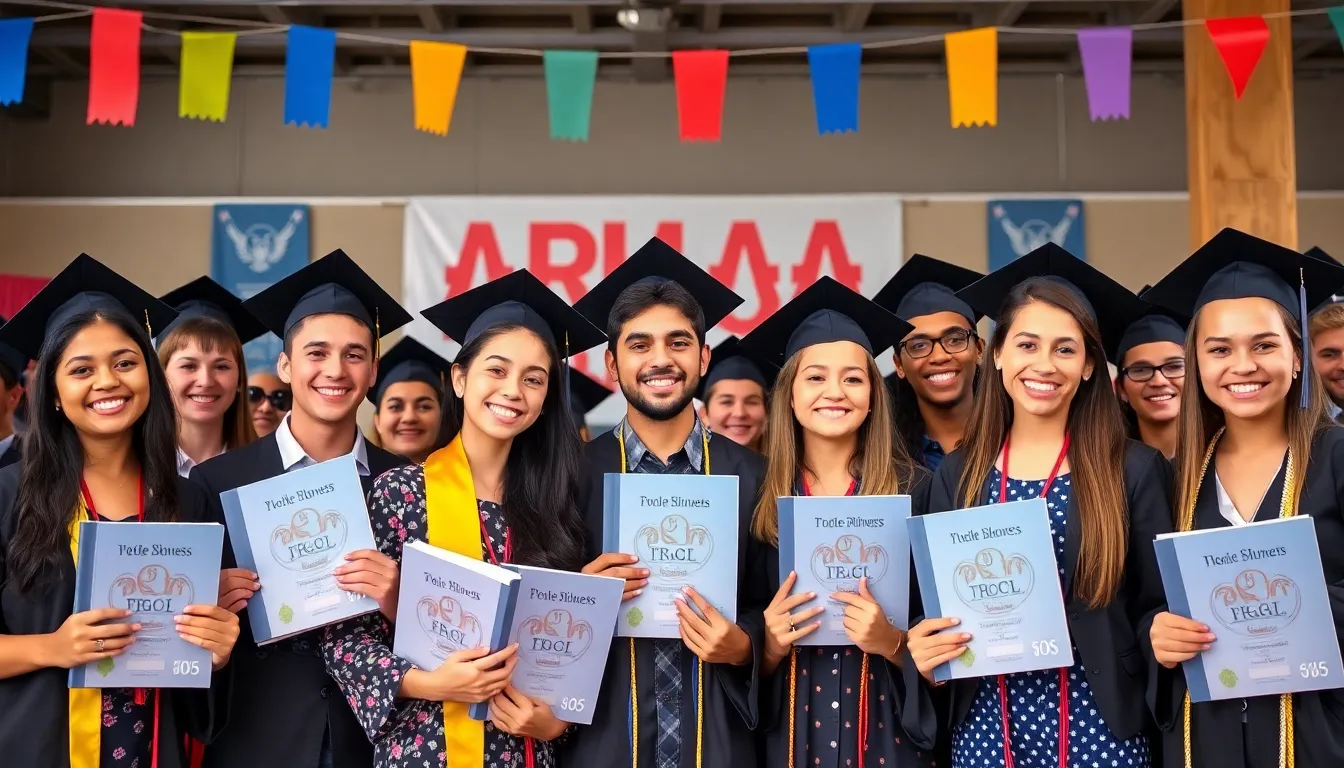
AI-generated yearbooks offer numerous advantages, enhancing the traditional experience of capturing school memories.
Personalization
Personalization stands out as a significant benefit of AI-generated yearbooks. Each student can see their unique story reflected through tailored designs and content. AI analyzes individual photos, anecdotes, and achievements, creating a customized layout that resonates with each student’s experiences. Specific themes and styles cater to diverse interests, ensuring every student feels represented. Engaging templates allow for creativity, enabling users to incorporate their personal touch seamlessly. By considering contributions from classmates, AI fosters a sense of community and belonging. Through these personalized elements, AI-generated yearbooks create lasting mementos that students cherish long after graduation.
Cost Efficiency
Cost efficiency proves essential in the context of AI-generated yearbooks. Traditional yearbook production often involves significant expenses, including printing, design services, and labor costs. AI streamlines this process, automating tasks that previously required extensive human effort. Schools can allocate resources more effectively, lowering overall production costs. Further, digital formats reduce printing expenses while offering flexibility for future updates or changes. The ability to create layouts quickly cuts down on time spent in design revisions, resulting in more budget-friendly projects. Schools benefit from enhanced affordability while maintaining high quality and creativity in yearbook production.
How AI Yearbooks Are Created
Creating AI-generated yearbooks involves several innovative processes. These processes ensure a seamless blend of technology and personal memories from students.
Data Collection
Data collection forms the foundation of AI-generated yearbooks. Schools gather photos, quotes, and anecdotes from students and faculty. The AI analyzes this information to identify themes and key highlights from the school year. Events like sports games, clubs, or special achievements are included to represent the diverse experiences. Custom surveys can also enhance data collection by capturing insights and opinions from students. This comprehensive approach results in a rich dataset that reflects the school community.
Content Generation
Content generation utilizes AI algorithms to create engaging layouts and narratives. The AI synthesizes collected data to develop content specific to each student and class, enhancing personalization. Unique templates help to structure pages creatively while maintaining visual appeal. Suggestions for captions and quotes arise automatically, streamlining the creative process further. Multimedia elements, such as videos or audio clips, can be integrated to make yearbooks interactive. Together, these components create a comprehensive, memorable reflection of the students’ year.
Challenges And Considerations
AI-generated yearbooks present several challenges that must be addressed for successful implementation. Ethical concerns and quality control are two critical aspects that schools should carefully evaluate.
Ethical Concerns
Data privacy remains a primary ethical consideration. Schools collect personal information from students, including photos and quotes, which necessitates securing this data against unauthorized access. Consent from students and guardians is crucial when gathering materials, ensuring that all parties understand how their contributions will be utilized. Additionally, the potential for bias in AI algorithms could lead to misrepresentation of certain groups or experiences. Addressing these biases promotes inclusivity and respect for diverse narratives.
Quality Control
Maintaining high-quality content is essential in AI-generated yearbooks. While AI algorithms can produce engaging layouts, human oversight assists in editing and refining the narratives. Schools must implement review processes to ensure accuracy and alignment with school standards. Trusting AI to generate all content without human intervention may lead to errors or inconsistencies. Continuous feedback loops with students and faculty can enhance the quality of the final product, making it more representative of the entire school community.
AI-generated yearbooks are revolutionizing how schools capture and preserve memories. By merging technology with creativity, these yearbooks offer a personalized experience that resonates with students. The efficiency gained through automation not only cuts costs but also allows for a more engaging and interactive format.
As schools embrace this innovative approach, they’re fostering a stronger sense of community while ensuring that every student’s story is told. However, it’s essential to navigate the ethical considerations and ensure quality control to maintain the integrity of these digital keepsakes. The future of yearbook creation is bright with AI, promising a unique blend of nostalgia and modernity.