In a world where machines can whip up a masterpiece faster than you can say “Picasso,” the debate between AI art and human art is heating up. Picture this: a robot with a paintbrush, churning out stunning visuals while you struggle to draw a stick figure. It’s enough to make any artist question their life choices. But can a computer truly capture the soul behind a brushstroke, or is it just a clever algorithm playing dress-up?
Overview of AI Art Vs Human Art
AI art utilizes algorithms and machine learning to generate visuals, often achieving results that rival traditional human artwork. Artists often produce pieces through their unique experiences and emotions, laying claim to a deep emotional connection with their creations. The emergence of AI in art sparks conversations around authenticity, with critics questioning whether artwork made by algorithms can truly resonate with viewers.
Notably, AI-generated art can analyze vast datasets to mimic styles, producing stunning replicas of famous works. Human artists bring personal history and context, enhancing the depth of their compositions. Emotional nuance stands as a defining factor; AI lacks the lived experience that informs human creativity.
Creativity showcases a stark contrast; human artists innovate based on cultural influences and emotional insights. AI operates within parameters set by its programming, generating variations on established styles rather than forging entirely new artistic movements. Many argue that the soul of art resides in its ability to convey human experiences, something AI cannot replicate.
Market reception differs between the two forms. Human art often garners higher prices due to the artist’s background and story behind the work. Collectors express interest in the narrative, while AI art may fetch lower valuations overall, despite its technical prowess.
Art communities continue to evolve amidst this dialogue. Organizations seek to integrate both forms, recognizing the potential for collaboration. Museums increasingly showcase AI alongside human-created art, fostering a blended appreciation for both mediums. Through this integration, audiences explore the complexities that define artistic expression in the contemporary landscape.
Historical Context
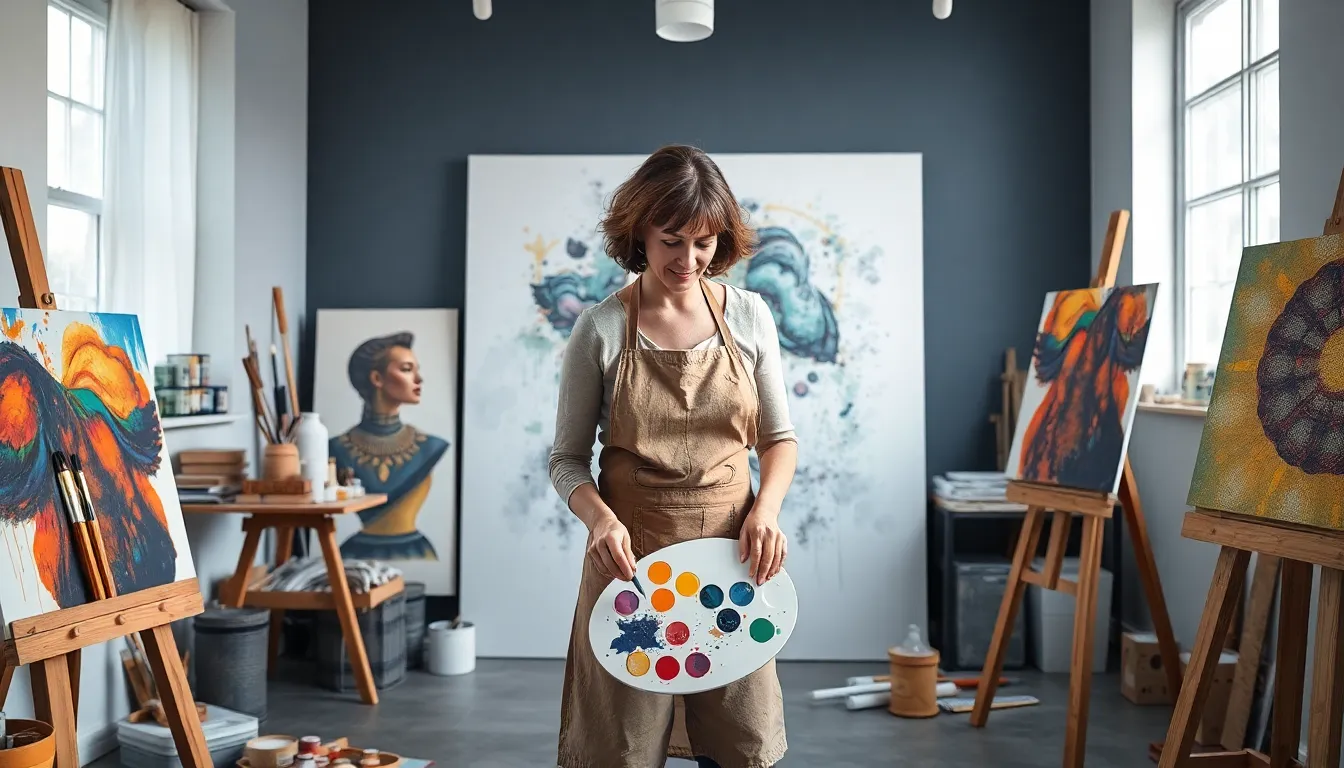
The discussion around AI art versus human art is rooted in a rich historical backdrop. Understanding the evolution of creative expression provides clarity on current debates.
Evolution of Art
Art has changed significantly over centuries. It transitioned from cave paintings to modern digital installations. Each movement, such as the Renaissance or Impressionism, introduced new techniques and perspectives. Artists reflected societal changes, political climates, and cultural values through their work. They created deeply personal attachments to their creations that often mirrored collective human experiences. Artistic innovation often arose from the desire to push boundaries, merging emotional depth with technical skill. These shifts laid the groundwork for contemporary dialogues surrounding the role of technology in artistic creation.
Beginnings of AI Art
AI art emerged in the late 20th century. Early experiments utilized basic algorithms to create simplistic forms of art. Advancements in machine learning and neural networks led to more sophisticated outputs. In 2014, notable milestones occurred with projects like The Next Rembrandt, which highlighted the potential for AI to produce art mimicking renowned styles. Artists began to explore AI’s capabilities, merging human creativity with computational power. AI’s ability to analyze vast amounts of data allowed it to uncover patterns, revolutionizing artistic production. Although AI art started as a novelty, it developed into a serious contender in the art world, prompting further examination of creativity and authenticity.
Techniques and Tools
The distinction between techniques and tools used in AI art and traditional human art emphasizes their unique methodologies.
AI Art Generation Methods
Algorithms serve as the backbone of AI art creation. Deep learning models analyze extensive datasets to generate original images. Techniques like neural networks provide the framework for understanding existing styles, allowing the AI to emulate popular artworks. Generative Adversarial Networks (GANs) specifically excel at producing high-quality visuals. These models engage in a sort of competition, where one part generates images while the other critiques them, enhancing the output quality. As AI art evolves, advancements like style transfer and reinforcement learning improve its ability to create emotionally resonant pieces.
Traditional Human Art Techniques
Human artists utilize a diverse range of techniques that incorporate personal experiences and cultural influences. Techniques such as oil painting, watercolor, and sculpture require a skilled hand and a deep understanding of materials. Artists often blend styles to create unique expressions, tapping into historical movements like Impressionism or Surrealism. They also employ tools such as brushes, chisels, and digital tablets to refine their work. Artistic methods like collage and mixed media allow for experimental approaches, further diversifying the landscape of traditional art. Emotional depth permeates each piece, as artists translate their innermost thoughts into tangible forms.
Artistic Expression
Artistic expression embodies the essence of creativity, reflecting both human emotions and technological advancements. The debate surrounding AI art versus human art invites a closer look at their respective creative processes and emotional connections.
Creativity in AI Art
Creativity in AI art emerges from algorithms designed to analyze patterns and styles. Machines execute pre-defined parameters, synthesizing existing artwork into new forms. Despite lacking consciousness, AI can produce visually compelling pieces that mimic renowned styles. These creations raise questions about originality as they rely heavily on datasets gathered from human artists. Instances such as The Next Rembrandt project illustrate the impressive technical capabilities of machine-generated art. The ability to generate unique variations invites both admiration and skepticism, as the question of true innovation remains open.
Emotional Depth in Human Art
Emotional depth distinguishes human art from AI-generated creations. Personal experiences and cultural influences fuel the creativity of human artists, allowing them to convey complex feelings. Unique narratives often accompany each piece, fostering connections with viewers. Artists express vulnerability, joy, and pain, creating a rich tapestry of emotions that resonates on a personal level. The stories behind artworks often enhance their value, inviting deeper engagement. Art movements throughout history highlight the evolution of human expression, showcasing the profound impact of societal changes.
Impact on the Art Community
The art community experiences significant shifts due to the introduction of AI-generated art. Innovations challenge traditional notions, prompting discussions about authenticity and emotional value.
Reception of AI Art
Critics often view AI art with skepticism, questioning whether it possesses the depth of human-created pieces. Some collectors value it for its novelty, while others remain hesitant, associating traditional art with greater emotional investment. Exhibitions featuring AI art show mixed attendance, indicating a distinct divide among audiences. Many museums embrace AI, showcasing these works alongside human art to foster broader appreciation. Art fairs increasingly include AI art, highlighting its rising acceptance within the commercial landscape.
Influence on Human Artists
Human artists find inspiration in AI art, leading to new creative explorations. Techniques from AI inform traditional practices, pushing artists to innovate and adapt. Collaboration between artists and AI tools emerges, leading to hybrid creations that blend emotional depth with technical precision. Some artists embrace AI as a tool, enhancing their workflows while retaining personal expression. Discussions around the role of technology in art continually evolve, influencing artistic practices and sparking new ideas.
The ongoing dialogue between AI art and human art reveals a fascinating intersection of technology and creativity. As AI continues to evolve and integrate into the artistic landscape, it challenges traditional notions of authenticity and emotional depth. This dynamic encourages both artists and audiences to explore new dimensions of artistic expression.
By showcasing AI-generated works alongside human creations, museums and galleries foster a broader appreciation for both mediums. The collaboration between human artists and AI tools opens avenues for innovation, blending emotional narratives with technical prowess. As the art world adapts to these changes, it becomes clear that the future of art will likely be defined by a harmonious coexistence of human creativity and artificial intelligence.