
In a world where wearing a watch can mean tracking your heart rate or getting notifications from your fridge, wearable technology design has become the new frontier of innovation. Gone are the days of bulky gadgets that scream “I’m a nerd!” Now, sleek and stylish devices seamlessly integrate into daily life, making tech not just functional but fashionable.
Overview of Wearable Technology Design
Wearable technology design focuses on creating devices that combine functionality with aesthetics. Designers prioritize user experience, ensuring wearables are comfortable and easy to use. They emphasize lightweight materials to enhance wearability throughout the day.
Modern wearables include smartwatches, fitness trackers, and augmented reality glasses. Smartwatches offer features like notifications and health monitoring, ensuring users stay connected and informed. Fitness trackers facilitate real-time activity tracking and heart rate monitoring, promoting healthier lifestyles. Augmented reality glasses display digital information while maintaining a hands-free experience.
Fashion plays a crucial role in the design of wearable devices. Designers incorporate appealing colors and styles that resonate with consumers, making technology an integral part of personal expression. Users benefit from wearables that reflect their personality while providing valuable functionality.
Innovation drives the evolution of wearable technology. New sensors and materials support more advanced functionalities, paving the way for future designs. Sustainability also influences design choices, as companies strive to create eco-friendly products.
An emerging trend includes customizable options for wearables. Users appreciate the ability to tailor designs to their preferences, fostering a personal connection with their devices. This customization extends to features, colors, and even materials, catering to diverse personal tastes.
Wearable technology design continuously adapts to changing demands. As health monitoring becomes more central to daily routines, designers are integrating more advanced health-tracking features. Accessibility also factors into design schemes, ensuring wearables cater to a wide range of users, including those with disabilities.
Key Components of Wearable Technology
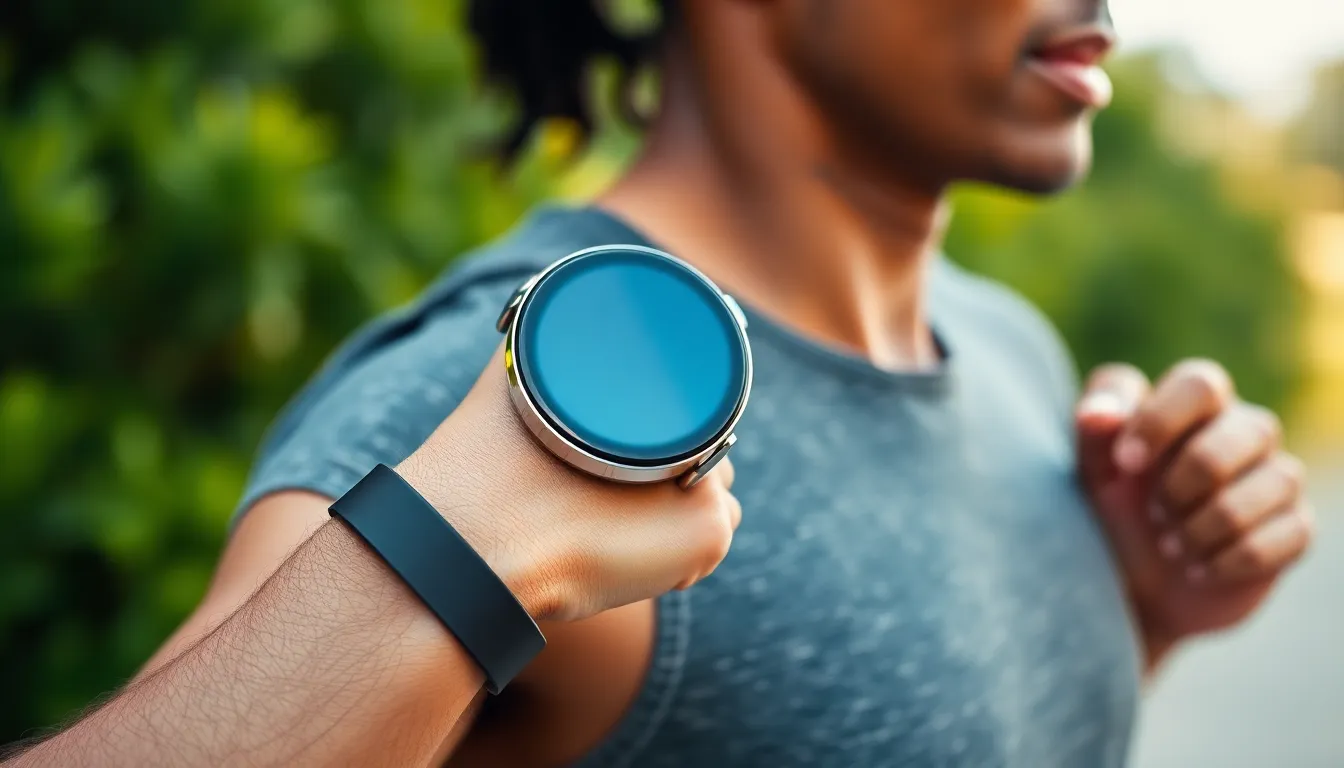
Wearable technology incorporates essential components that enhance functionality and user experience. Understanding these key parts contributes to the effectiveness and appeal of these devices.
Sensors and Monitoring Devices
Sensors play a crucial role in wearable technology. They collect data on various health metrics such as heart rate, steps taken, and sleep patterns. Advanced sensors, like accelerometers and gyroscopes, improve accuracy in tracking movement. Monitoring devices utilize this data to provide insights that help users manage their health and fitness levels. Innovations in sensors lead to more precise readings, increasing the value of wearables in health management.
User Interface and Experience
User interface design significantly impacts how individuals interact with wearables. Effective interfaces ensure seamless navigation, making it easy for users to access features and information. Touchscreen displays and haptic feedback enhance the overall experience. Comfort remains vital in design, with wearable devices needing to feel natural during use. Customization options, like watch faces or band styles, allow individuals to personalize their devices, increasing engagement and satisfaction.
Trends in Wearable Technology Design
Wearable technology design continues to evolve, focusing on aesthetics and functionality to meet user demands.
Aesthetic Considerations
Stylish wearables attract consumers by merging technology with fashion. Designers use appealing colors and trends to create devices that match personal styles. Aesthetic choices enhance user experiences, as sleek designs reduce the visibility of technology, integrating devices into everyday attire. Materials like silicone and breathable fabrics contribute to comfort while maintaining visual appeal. Brand collaborations with fashion houses also emerge, allowing for unique collections that resonate with diverse demographics. Overall, the emphasis on aesthetics transforms wearables into fashionable accessories rather than mere gadgets.
Functional Innovations
Functional innovations significantly enhance the usability of wearable technology. Advanced sensors track various health metrics, including heart rate, activity levels, and sleep quality, providing users with comprehensive data. Smart integrations facilitate seamless communication, allowing notifications from smartphones directly on wearables. Newer designs focus on battery efficiency, extending usage time while maintaining performance. Voice recognition and gesture controls further contribute to user-friendly interfaces, enabling hands-free operation. Accessibility options also expand, ensuring all users, including those with disabilities, can benefit from these advancements. Overall, these innovations prioritize ease of use and enhance daily living.
Challenges in Wearable Technology Design
Wearable technology design faces several challenges that affect usability and user experience.
Ergonomics and Usability
Designers prioritize comfort and usability when creating wearable devices. Users often encounter difficulties if wearables fit poorly or irritate the skin. Designing for extended wear demands a focus on lightweight materials and flexible designs. Features like easy-to-read displays contribute to usability while integrating touch interfaces simplifies interaction. Testing with diverse user groups reveals insights on ergonomic needs, ensuring devices cater to various lifestyles. Taking attention to these details enhances overall satisfaction, making wearables more appealing to a broader audience. Success in this area leads to more users engaging with wearable technology.
Privacy and Security Concerns
Privacy and security represent significant challenges in wearable technology. Users express concerns about data collection and potential misuse of personal information. Designers must implement robust encryption methods to safeguard sensitive data. Transparency in data handling practices fosters trust between users and manufacturers. Regulatory compliance with data protection laws further ensures accountability. Incorporating features like device authentication verifies user identity, adding another layer of protection. Addressing these concerns directly impacts user adoption, making privacy and security vital elements in wearable technology design. Ensuring these aspects attracts tech-savvy consumers who demand security and functionality.
Wearable technology design continues to evolve at a rapid pace. By merging functionality with aesthetics designers are creating devices that not only enhance user experience but also reflect personal style. The focus on comfort usability and customization ensures that wearables cater to a diverse audience.
As health tracking becomes integral to daily life the demand for innovative features and secure data handling will only increase. Addressing privacy concerns through robust security measures will be essential for gaining consumer trust. The future of wearable technology looks promising as it transforms into an indispensable part of modern living.